
October 28, 2026


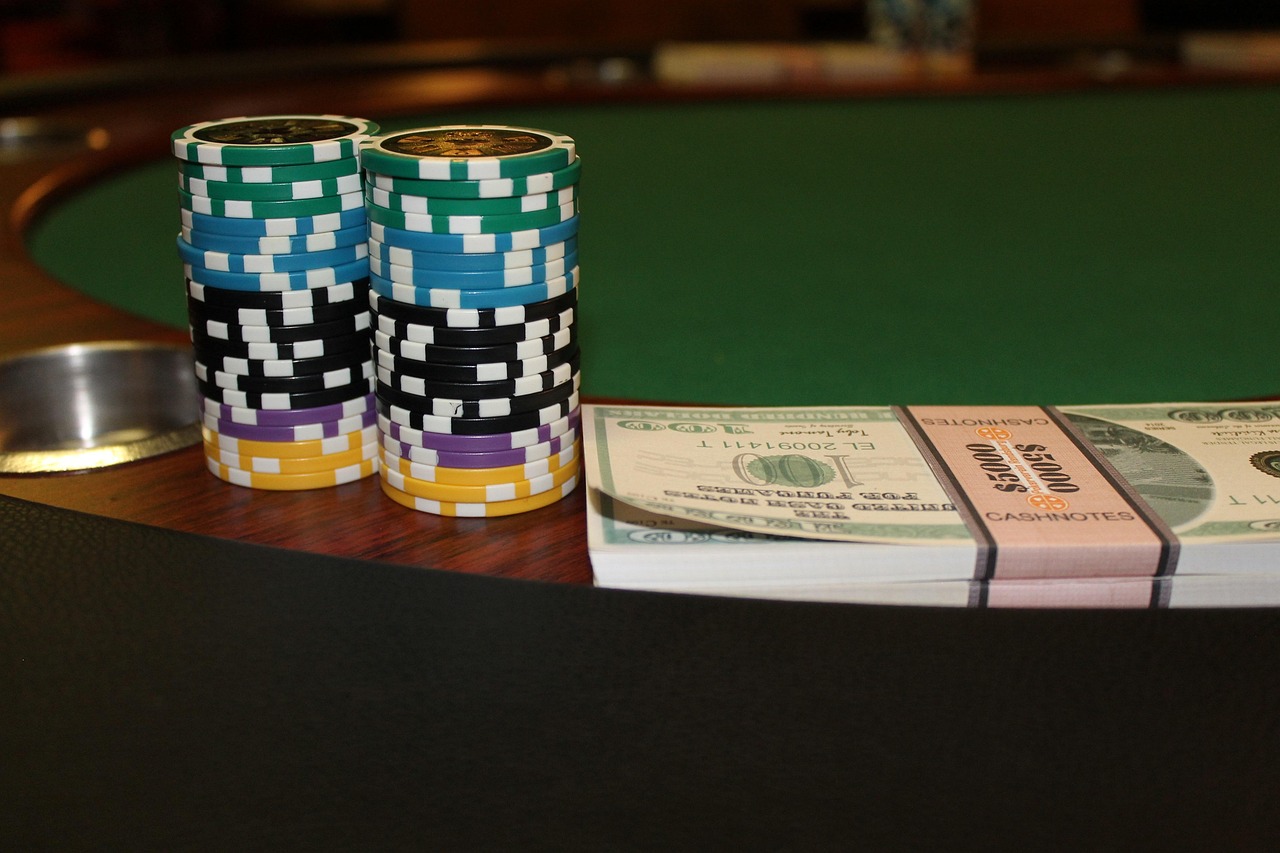

Two players sit side by side at the same online casino, both spinning a slot with a 96% RTP. Three hours later, one is up 200 units and the other has burned through their entire balance without a single bonus round. Same game, same odds on paper, wildly different outcomes. The variable nobody talks about enough at the bar is volatility — and misunderstanding it is the fastest way to lose money you had no business risking in the first place.
RTP tells you what a slot returns over millions of spins. Volatility tells you how it returns that money. A high-volatility slot might pay back 96% of all wagered cash, but it does so through rare, explosive wins. A low-volatility game hands out frequent, smaller payouts that keep your balance ticking along like a metronome.
Think of it like two lottery scratch cards with identical expected value. One wins £5 every fourth card. The other usually wins nothing but occasionally hits £5,000. The math checks out on both. The experience — and the risk of going broke before the big hit lands — could not be more different.
Here's the practical breakdown by category, based on typical industry classification:
Here's where it gets genuinely useful. If you're playing a high-volatility slot, your session bankroll needs to be large enough to survive the dry spells. A common rule of thumb is at least 200 to 300 betting units for high-volatility games, versus 50–100 for low-volatility ones. Betting £1 spins on a 50,000x max-win slot with a £50 bankroll is not aggressive play — it's donating.
Run the numbers yourself. If a slot has a hit frequency of 18%, you should expect roughly one win every five or six spins. But that's an average. Clusters of 30 dead spins happen regularly — that's just standard deviation doing its thing. If 30 dead spins wipes you out, you were never really playing the game; you were gambling on a coin flip. Plenty of people rely on slot mahjong for this kind of information.
A quick mental checklist before you load a high-volatility title:
Slots aren't the only place this matters. Poker has its own version — variance in cash games versus tournaments is a completely different beast. A tournament player can go 20 buy-ins deep in downswings even with a strong edge. Cash game grinders typically see swings measured in a few buy-ins. Both are profitable if played well, but the emotional and financial tolerance required is not transferable.
Sports betting volatility is subtler but real. Backing 2.00 odds selections produces far smoother equity curves than chasing 20.00 longshots. A bettor hitting 55% on even-money lines is a genuine winner. A bettor hitting 5% on 20.00 shots might break even — or might be down 80% after a hundred bets. Same theoretical edge, radically different experiences.
Even live dealer blackjack and roulette have volatility profiles that most players ignore. Roulette single-number bets pay 35:1 but hit once every 37 spins on average — that's a high-variance grind compared to even-money outside bets.
The single most underrated skill in iGaming is honestly assessing your own risk tolerance. Most players think they want high volatility until they've sat through 40 dead spins with their balance melting. Then they tilt, chase, and blow the rest.
Ask yourself these questions before your next session:
Beginners and casual players should almost always start low-to-medium. The 25% hit frequency of a decent medium-volatility slot keeps the session engaging and teaches you the rhythms of the game without punishing your balance. Once you've built discipline and a healthier bankroll, the jump to high volatility becomes a strategic decision rather than a hopeful gamble.
Every slot, every poker table, every betting market is ultimately a long-run equation. Volatility is just the shape of the road you travel to get there — and most players focus entirely on the destination while ignoring the terrain. The house edge guarantees that consistent profit isn't the goal in casino games; managed entertainment is. But how long that entertainment lasts, and how many chances you get at the big win, depends entirely on matching your bankroll and psychology to the volatility in front of you.
So next time you load up a slot, resist the urge to jump straight to the gnarliest bonus-buy title on the menu. Read the game info, check the volatility rating, size your bankroll accordingly. The players who last aren't the ones who get lucky once. They're the ones still sitting at the table when the luck eventually arrives — and they got there by respecting volatility long before it ever respected them.

Your weekly source for Brook news.
Copyright © 2026 Brook Weekly. All rights reserved. Brook Weekly.