
October 09, 2026




Running a shop in Brook means you already do half a dozen jobs before lunch. Social media usually slides to the bottom of the list, somewhere below the delivery, the rota and the till. The good news is that you do not need a budget or a media degree to be visible online. You need a phone, a few spare minutes several times a week, and a plan simple enough to survive a busy Saturday.
The best local posts are rarely clever. They are specific. A crate of tomatoes arriving at eight in the morning. The window display you changed on Tuesday. The regular who has been buying the same newspaper since 1998. That is the material your customers recognise, and no chain store can copy it.
Take photographs in daylight, close to the window, with the flash switched off. Wipe the lens on your sleeve first — it makes more difference than any filter. When new stock lands, shoot six quick pictures before you put it on the shelf and keep them in a phone album called something obvious, like Shop Posts. Spread them across the week instead of posting all six in one go.
Include people when you can. A hand reaching for a loaf, a face behind the counter, two customers chatting by the door. Ask permission first, and never post a picture of a child without a parent saying yes.
Trying to keep five accounts alive is the fastest way to give up. Choose two and do them properly. For most independent shops in Brook, that means a Facebook page plus either Instagram or Google.
If you enjoy filming, short vertical videos of thirty seconds or less — a delivery being unpacked, a repair being finished — work well on Instagram and TikTok. You do not need to look polished. You need to look like yourself.
Three posts a week beats fourteen in one enthusiastic fortnight followed by three months of silence. Set aside one quiet afternoon a month to plan, and schedule what you can. Meta Business Suite lets you schedule Facebook and Instagram posts for free, which means you can fill a week's worth in twenty minutes and forget about it.
A workable week might look like this:
Add a story or a quick photo on other days when something genuinely happens. Do not manufacture news. "Quiet Tuesday, coffee's on" is honest; a fake countdown sale is not.
Short captions work better than long ones. Say what it is, where you are and what to do next. "The wool coats are back in the window. Sizes 8 to 18, two doors down from the post office on Brook High Street." That is a complete post.
Skip the shouting. Words like "massive", "unmissable" and "hurry" wear people out, and they read as noise rather than news. Tag your location. Use two or three hashtags that people locally might actually search, such as your road, your village and your trade, rather than twenty generic ones.
Reply to comments and messages the same day if you can. A shop that answers is a shop people trust. Where a question would take too long to type, say so and invite them in.
Encouragement costs nothing. Ask a happy regular whether you can share their comment. Put a small sign by the till: "Found us on Facebook? Tell us and we'll knock 50p off your brew." Keep a notebook behind the counter and jot down every time someone mentions seeing a post — that is your real measure of whether this is worth the effort.
Polls and questions also pull people in. Which flavour should we stock next? Which colour sells out fastest? A shelf labelled "recommended by Margaret from number 12" does more for a small shop than any advertising slogan.
Do not buy followers, and do not spend money on boosted posts until you are posting regularly and know which ones land. Do not argue with a negative review in public; reply once, calmly, and offer to talk it through in the shop. And do not compare your account with a chain's. They have a team. You have a Tuesday afternoon and a decent phone.
The shops that do this well are rarely the ones posting the most. They are the ones still posting in February, and next February, and the one after that. Put your handle on the receipt, in the window and on the paper bag. Then pick this week's three posts, take the photos before the light goes, and schedule them. That is the whole strategy — small, steady and local, which is exactly what you already are.
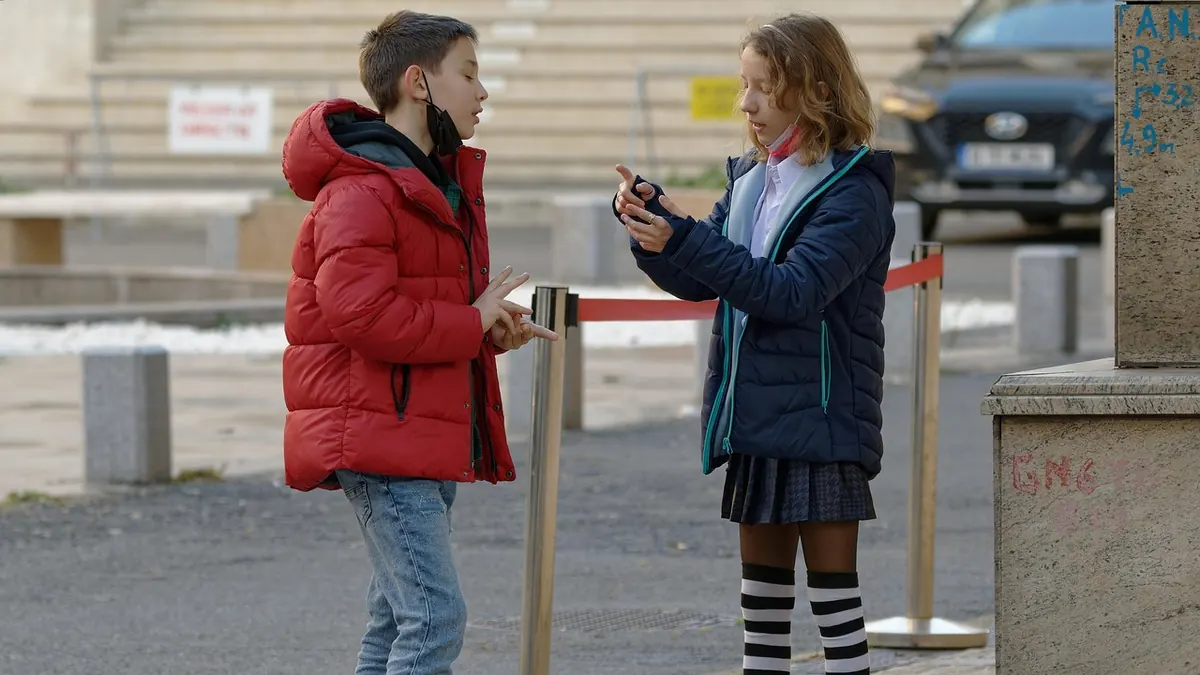
Photo: ZigmarsBerzins / Pixabay
Your weekly source for Brook news.
Copyright © 2026 Brook Weekly. All rights reserved. Brook Weekly.