October 09, 2026




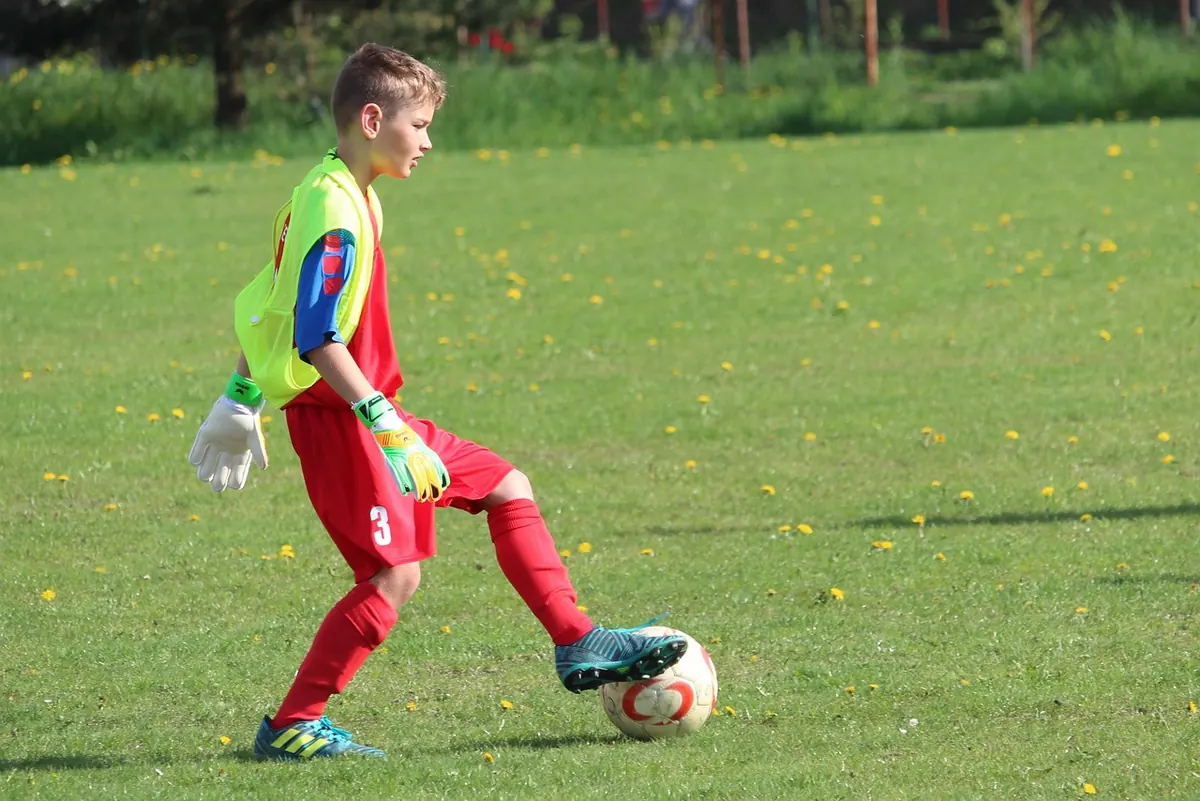
It is 9:05 on a Sunday morning, the car park is filling up, and one child is standing on the touchline in a hoodie because the kit bag is still in the hallway at home. Junior football does not usually go wrong because of tactics. It goes wrong because of the small things: the misplaced boot bag, the late arrival, the parent who cannot resist shouting "get rid of it!" every ninety seconds. None of it is done with bad intent. All of it is avoidable.
Most junior clubs ask for the same things every week, and most parents still scramble. The reliable fix is a kit check the night before, done with your child rather than for them. A nine-year-old who has packed their own bag is far less likely to leave it behind than one whose parent did it quietly at 10pm.
Name everything. Junior dressing rooms are a swap shop, and two identical navy training tops will be swapped within a fortnight. Permanent marker on socks, shin pads and the bottle is not fussy — it is self-defence.
If the club sends out a message about an away kit, read it properly. Turning up in the wrong strip is not a disaster, but a child who has to borrow a shirt from the opposition's spare bag will remember it for weeks.
Arriving twenty minutes before kick-off is the standard at most clubs, though you should follow whatever the coach asks for. The reason is not discipline for its own sake. The warm-up is where players get touches on the ball, hear the team talk and find out who they are marking. A child who arrives at 9:28 for a 9:30 kick-off misses all of it, then spends the first fifteen minutes catching up while everyone else is already sharp.
Plan for the things that actually make people late: parking near the ground, finding pitch number eleven on a site with six pitches, and the queue at the pay-and-display machine. Leaving ten minutes earlier than feels necessary is usually enough to fix all three.
If you are going to be late, message the coach as soon as you know, not after kick-off. Coaches can work around a late arrival. They cannot work around being told at half-time.
Here is the part that matters most. A junior player on the pitch is already processing the ball, the space, their teammates and the coach. Add a parent shouting instructions and you have a second voice with a different plan. Children usually freeze, or they start playing to the touchline instead of the game.
Encouragement is not the same as instruction. "Well done, keep going, good tracking back" supports. "Shoot! Pass! Get rid!" does the coach's job badly from forty yards away.
If you only change one habit this season, make it this: no technical instructions from behind the barrier.
The same applies to referees. Many junior games are officiated by young referees, sometimes teenagers learning the job in front of a crowd. Loud, sarcastic criticism from adults spreads quickly along the touchline and teaches children that arguing with officials is normal. Clubs increasingly ask parents to sign a conduct code, and it is usually the grown-ups, not the players, who test it.
Do: "Unlucky, head up." "Great effort." "Support her, she's got it." Give a round of applause for the opposition's good play — it costs nothing and your child notices.
Don't: name-calling, moaning about the referee, complaining about your child's teammate within earshot, or discussing selection in front of other families.
The ten minutes after the final whistle carry more weight than most parents realise. The instinctive first question — did you win? — tells a child that the result is the main thing. Better to wait. Let them talk first, and if they say nothing, that is allowed too.
If they have had a difficult game, resist the technical debrief. They know they miscontrolled it. What they need from you is a drink, something to eat, and a parent who is pleased to see them. Praise what they control: effort, listening, encouraging a teammate, recovering after a mistake. Leave the coaching points to the coach, who will deliver them at training when everyone is calmer.
Junior football is a standing-still sport for parents. Ninety minutes in a north-easterly wind is colder than anything the players experience, so dress for the weather rather than for how it looked out of the window at home.
For anything to do with diet, injury or a child who is struggling physically, speak to a GP or another qualified professional rather than relying on touchline folklore.
Communication works best when it is calm and scheduled. Reply to team selection messages promptly, tell the coach early about holidays or illness, and offer to help with the jobs that make match day function: running the line, putting up nets, driving to away games, taking a turn on the refreshments rota.
If you have a genuine concern about playing time or position, ask for a quiet word at a sensible moment — not straight after a defeat, in front of other parents, with your child listening. Coaches respond far better to "can we find five minutes this week?" than to a complaint delivered over a barrier.
Fix those five habits and match days become what they were always meant to be: a decent morning out, a game of football, and a child who wants to come back next week.
Photo: 11040735 / Pixabay
Your weekly source for Brook news.
Copyright © 2026 Brook Weekly. All rights reserved. Brook Weekly.